
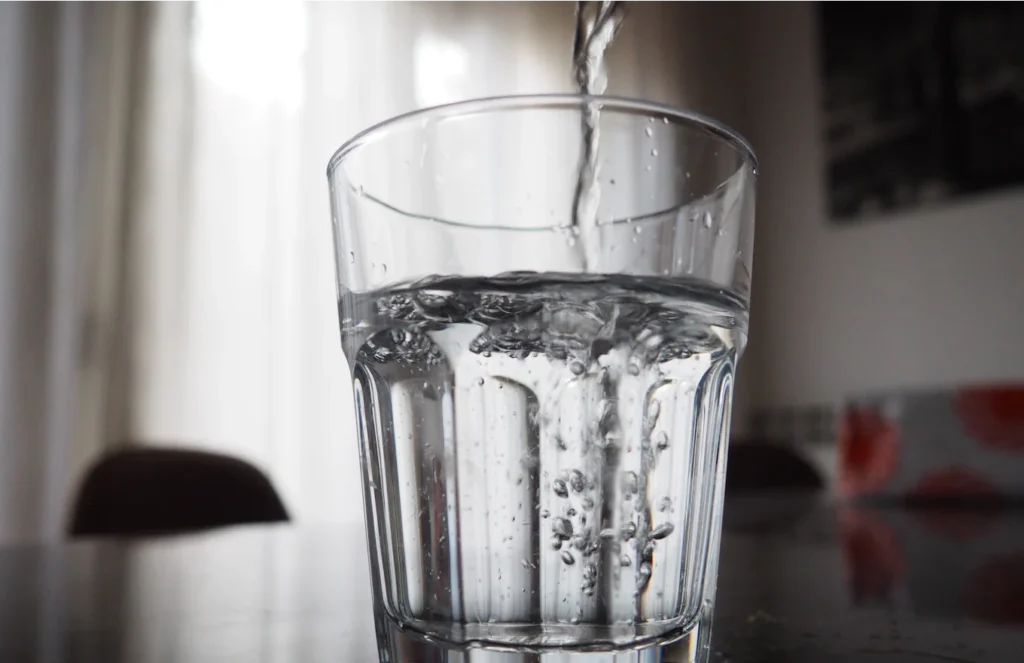
Lead is not something you can see, taste or smell in water. The good news for most Buckeye homeowners is that the risk tends to be lower in newer homes. Still, it is worth knowing where lead can come from and how to check, especially in older homes or if you have young children.
This guide explains the basics. It is general information, not medical advice. If you have health concerns, talk with your doctor.
Where Lead in Water Comes From
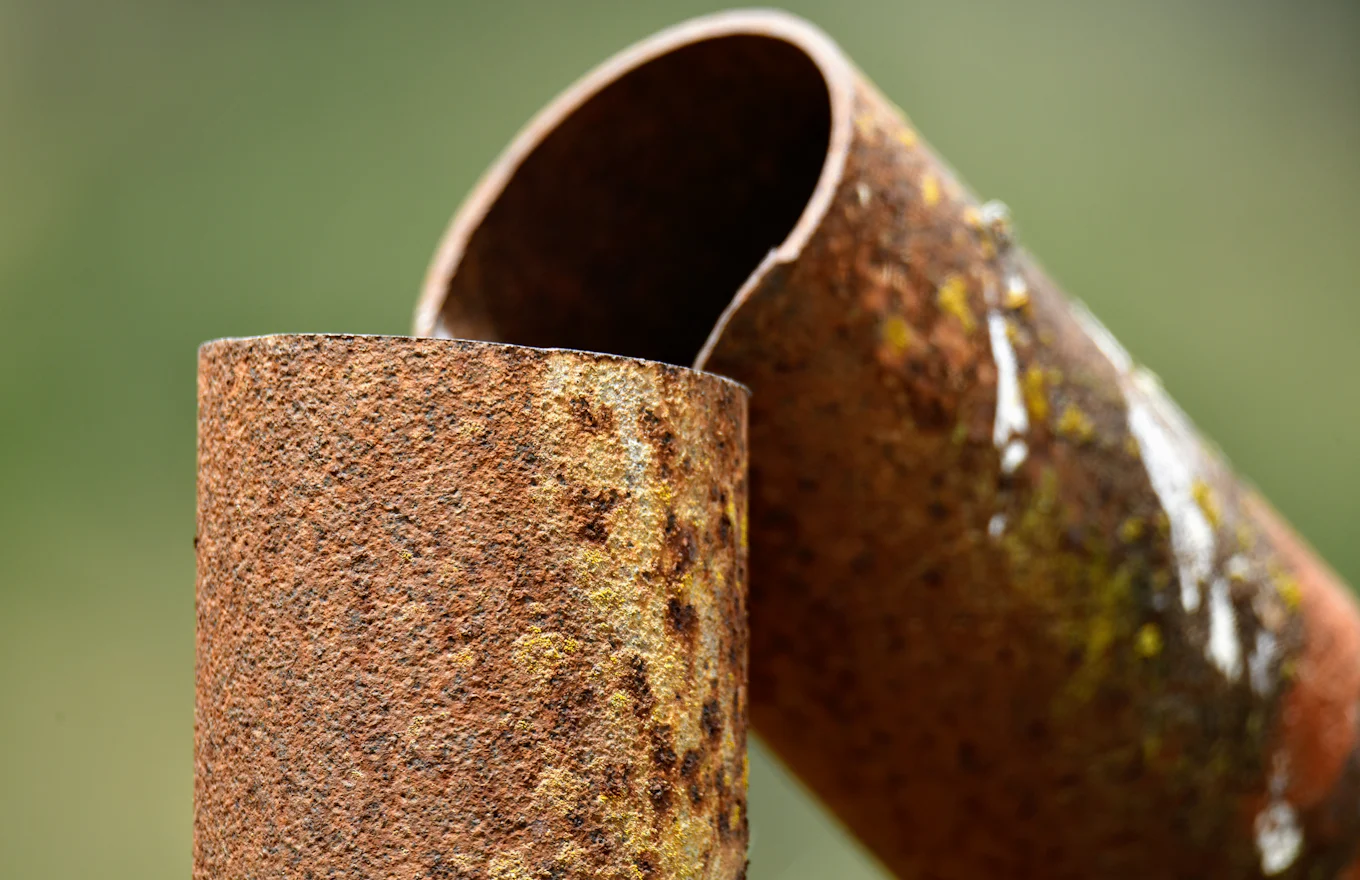
Lead usually does not come from the water source. It enters water as it travels through plumbing that contains lead. The most common sources are:
- Lead service lines, the pipe connecting older homes to the water main
- Lead solder on copper pipes in older homes
- Older brass faucets and fittings, which can contain some lead
Does the Age of Your Home Matter?
Yes. Federal law banned lead pipes and lead solder in drinking water plumbing in 1986, and the definition of “lead-free” fixtures was tightened in 2014. Because much of Buckeye was built after those dates, lead pipes are uncommon in most neighborhoods. Older homes, especially in the historic core, and older faucets anywhere are worth a closer look.
Step 1: Read Your Water Quality Report
Every community water system must publish an annual water quality report, also called a Consumer Confidence Report. It lists what was tested and the results, including lead and copper sampling. Look on your water provider’s website. Water systems have also been required to prepare an inventory of service line materials, which can show whether your address has a lead or unknown service line.
Step 2: Look at Your Own Plumbing
- Find where the water line enters the house. Lead pipe is dull gray, soft, and shows a shiny silver color if scratched gently with a key.
- Check visible copper pipe joints for gray, lumpy solder in older homes.
- Note older brass faucets and valves, particularly in homes built before 2014.
Step 3: Test Your Water
The only way to know how much lead is in your tap water is to test it. Use a laboratory certified for drinking water testing. The Arizona Department of Health Services publishes a list of certified drinking water laboratories. Follow the lab’s sampling instructions carefully, since lead results depend on how long water sat in the pipes.
Simple Steps to Reduce Exposure
- Use only cold water for drinking, cooking and baby formula.
- If water has sat for several hours, run the cold tap until it feels colder before drinking.
- Clean faucet aerators regularly, since particles can collect there.
- Consider a filter certified to reduce lead if testing shows a concern.
When Plumbing Changes Help
If you find lead or galvanized pipe, or very old fixtures, replacing them removes the source. Repiping old supply lines also stops the pinhole leaks that aging pipe develops. Learn more about leak repair and repiping and water line repair in Buckeye.
Frequently Asked Questions
Is Buckeye tap water safe to drink?
Your water provider’s annual water quality report shows how your water compares with federal standards. Lead in tap water usually comes from home plumbing, so testing at your own tap is the best way to know for your home.
Do newer homes have lead pipes?
Lead pipes and lead solder were banned in drinking water plumbing in 1986, so homes built after that should not have them. Older brass fixtures may still contain small amounts of lead.
Do water softeners remove lead?
Water softeners are designed to remove hardness minerals, not lead. Use a filter certified for lead reduction if testing shows a concern.
Do you test water for lead?
We are a leak detection and repair service and do not test water quality. Use a certified drinking water laboratory for testing. We can help if testing points to plumbing that needs replacing.
Need old pipes or fixtures replaced? Call (623) 270-6288 to talk with a local leak detection pro in Buckeye.