
When water is spraying from a pipe or dripping through a ceiling, the first few minutes decide how much damage you end up with. This checklist walks you through exactly what to do, in order.
Minute 1 to 3: Shut Off the Water
Close the main shutoff valve. In most Buckeye homes it is on an outside wall near the front of the house or the garage, where the water line comes out of the ground, often next to the pressure regulator. Turn a lever handle a quarter turn so it sits across the pipe, or turn a round handle clockwise until it stops.
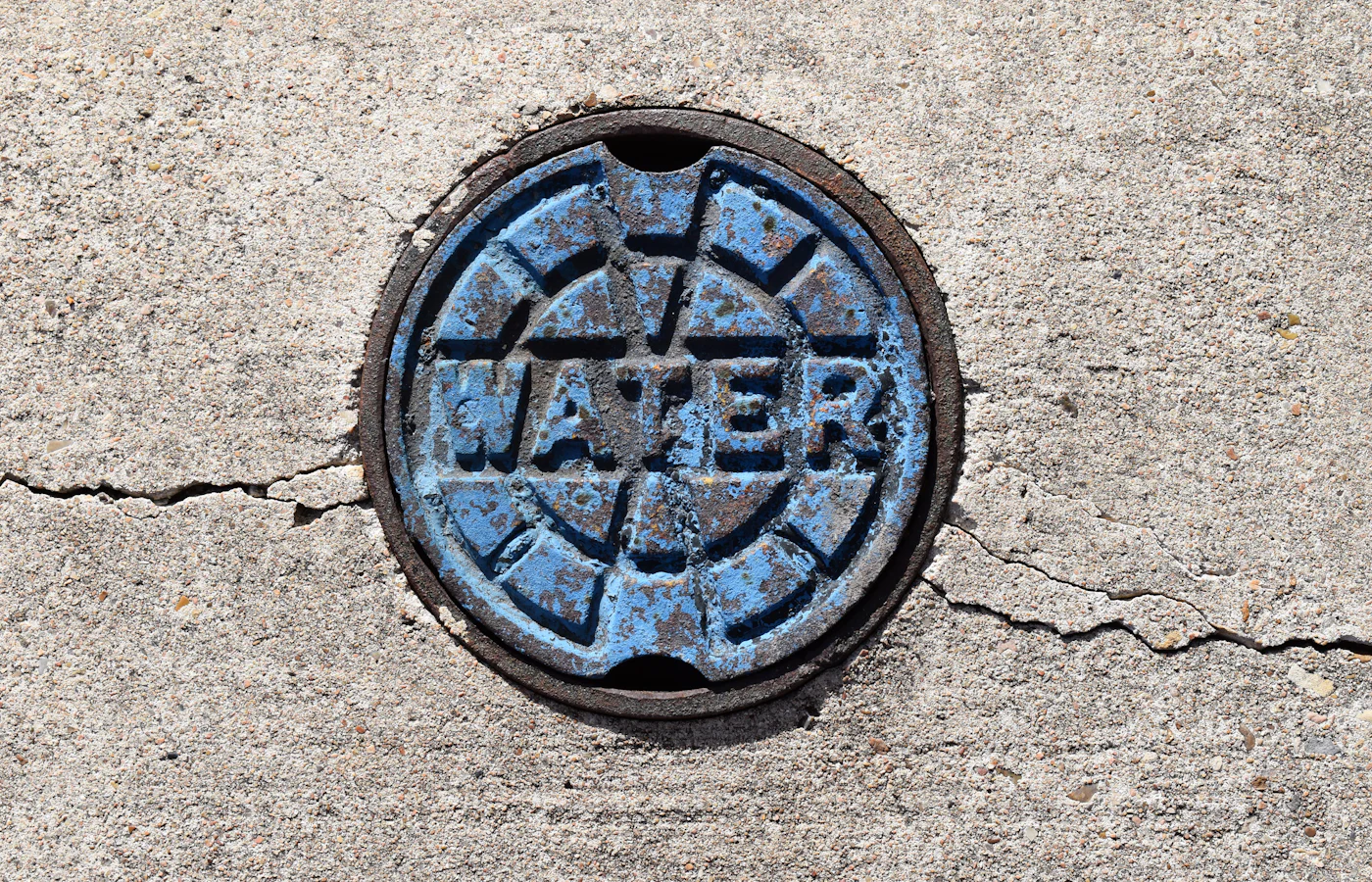
If that valve is stuck, shut the water off at the meter box near the street using a meter key or an adjustable wrench.
Minute 3 to 5: Make the Area Safe
- If water is near outlets, cords or appliances, switch off power to that area at the breaker panel, only if you can reach it without standing in water.
- Keep children and pets away from wet areas.
- If a ceiling is sagging, stay out from under it.
Minute 5 to 8: Turn Off the Water Heater
With the main water off, set a gas water heater to pilot or vacation mode, or switch off the breaker for an electric heater. This protects the heater while it is not refilling.
Minute 8 to 12: Drain the Lines and Limit Spread
- Open a faucet at the lowest point in the house to relieve pressure.
- Move furniture, rugs and electronics out of the water path.
- Use towels and buckets to stop water spreading to other rooms.
Minute 12 to 15: Document and Call
Take photos and video of the source and the damage before you clean up. Then call for help. Photos are important if you file an insurance claim.
After the Emergency
Stopping the water is only the first step. The source of the leak still needs to be found and fixed, and wet drywall, insulation and flooring should be dried quickly, because mold can begin to grow on damp materials within a few days.
If you cannot tell where the water is coming from, emergency leak detection finds the source so the repair is made in the right place. For a broken pipe in the yard, see water line repair.
How to Be Ready Before It Happens
- Find your main shutoff valve today and make sure it turns.
- Keep a meter key or adjustable wrench in the garage.
- Show everyone in the household where the shutoff is.
- Consider smart leak detectors with automatic shutoff near the water heater and under sinks.
Frequently Asked Questions
Should I turn off the water for a small leak?
If the leak is slow and contained, you can turn off the fixture supply valve instead of the whole house. If you cannot stop it locally, turn off the main.
Will insurance cover a burst pipe?
Many policies cover sudden water damage from a burst pipe. They often exclude gradual leaks and the pipe repair itself. Check your policy and call your agent early.
How do I find a leak I cannot see?
Check the water meter with everything off. If it moves, a hidden leak is likely, and professional leak detection can pinpoint it.
Can pipes freeze in Buckeye?
Yes. Hard freezes are uncommon in the West Valley but do happen on clear winter nights. Exposed outdoor pipes and hose bibs are most at risk.
Water leak you cannot stop or find? Call (623) 270-6288 to talk with a local leak detection pro in Buckeye.